Field notes: the annual refresh that caught a rooftop addition three towns over
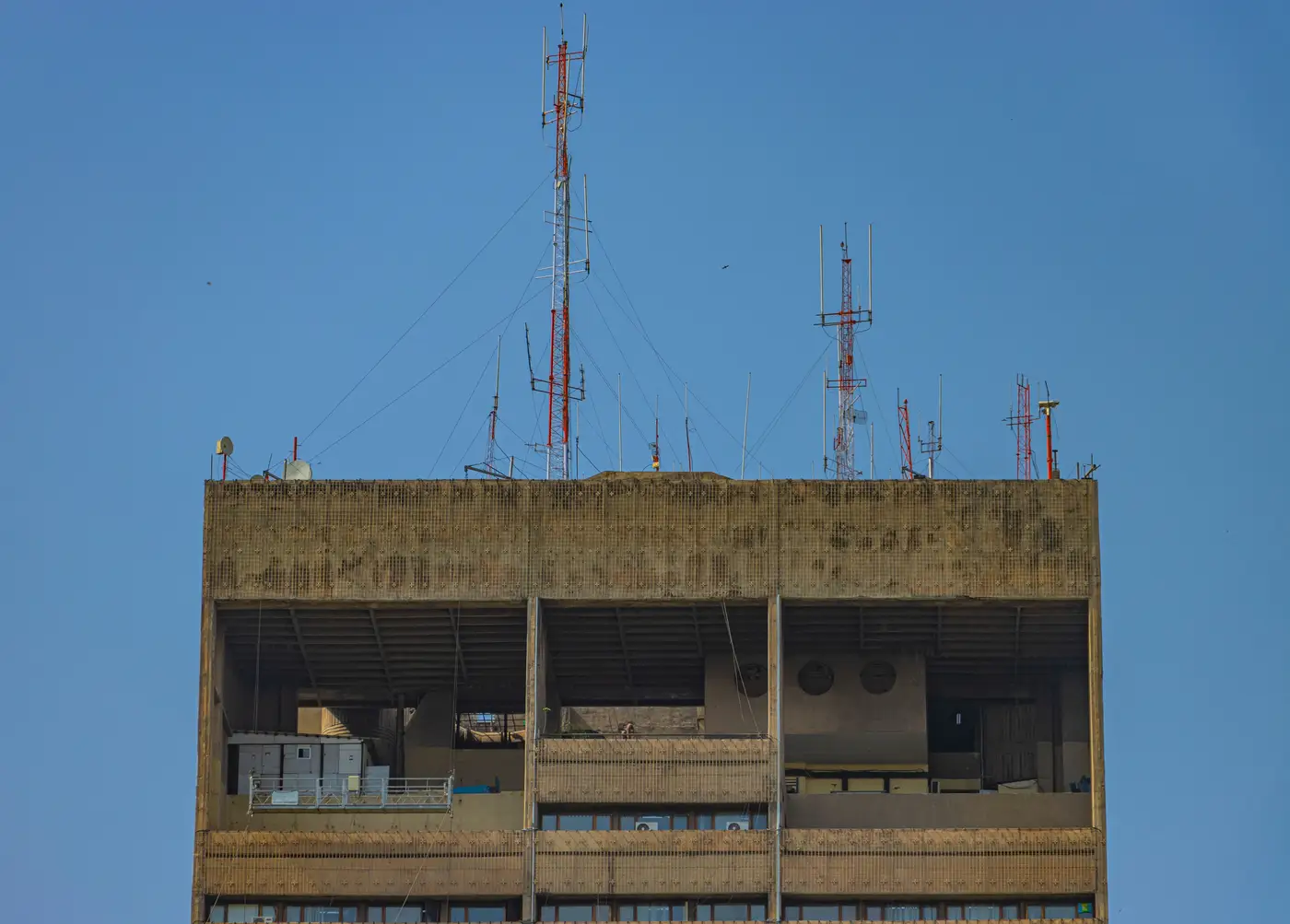
I wasn't even looking at that parcel. It showed up because it sat inside the buffer for a candidate three towns over, one of those buildings that gets pulled into a search radius automatically and then usually gets ignored because it's not the subject site.
The storey count on it had gone from four to six since the last pass. No site visit flagged it, because nobody had a reason to visit it. Nobody had this building on any candidate list. It sat in the middle of a search polygon, two floors taller than the planning record said, for who knows how long.
Turned out the owner had added a rooftop level the year before, some kind of amenity build-out with a mechanical penthouse on top of that. Nothing that would show up in a zoning lookup unless you knew to go digging for the specific permit, and even then half these municipalities take a year or two to get the paperwork scanned and filed where a search engine can find it. The assessor's record still says four storeys. It's been six for a while now.
This is the part of the job that doesn't get talked about much. Everybody focuses on the subject parcel, the lease terms, the structural letter. But a candidate doesn't exist in isolation. It sits in a cluster of buildings that affect line of sight, that affect clearance, that affect whether a microwave path you're counting on is still clean. A building you're not leasing can still wreck your afternoon if it grew two floors and nobody told you.
The annual refresh is what caught this one, running across the whole area instead of just the parcels someone had flagged by hand. That's the part worth sitting with. A planner checking one address at a time only checks the addresses they already think matter. A refresh that runs across a wider footprint catches the ones nobody thought to check, because it doesn't know the difference between a candidate and a neighbor. It just measures what's there now against what was there last year.
I ended up adjusting the clearance math on the candidate because of it. Not a huge change, a few meters of margin that used to exist and now doesn't. But it's the kind of thing that's invisible until it isn't, and by the time it's not, you're usually standing at the base of a tower with a crew on the clock, looking up at a roofline that doesn't match the drawing in your folder.
This building is probably not unusual. It's just the one I happened to notice. Zoning and permitting records are good at telling you what was approved. They're a lot worse at telling you what got built, and worse still at telling you when. A rooftop addition doesn't always trigger a new filing that's easy to find, especially once it's framed as a renovation instead of new construction. The storey count is the thing that tells on it, if you're actually checking the storey count instead of trusting the record from three years back.
That's the whole case for running this as a layer instead of a lookup. We pull per-building storey counts off the imagery on an annual cycle over at Storey Estimation, which is built for exactly this kind of catch, the buildings nobody flagged for a reason to look.
If your candidate list hasn't had its heights refreshed this year, it might be worth a pass before your next scope call.